The Population Health Analytics, Metric and Evaluation (PHAME) center integrates novel technology with academic expertise to provide community-level data analysis, evaluation and visualization for community members, policy makers, researchers and students in the city of Chicago and beyond. We aim to support and advance data-driven public health decisions, meaningful population health initiatives and the reduction of health disparities, all centered around social determinants of health.
Core elements of the PHAME Center Heading link
-
Citizens Accessible health data brings community members into the decision-making process for public health and healthcare goals.
-
Scholars UIC School of Public Health experts in health data, health policy and social determinants of health collaborate with Chicago citizens.
-
Tech Hyperlocal data and analysis build the case for public health strategies and solutions.
Chicago Health Atlas Heading link

Test again here so we know where text goes.
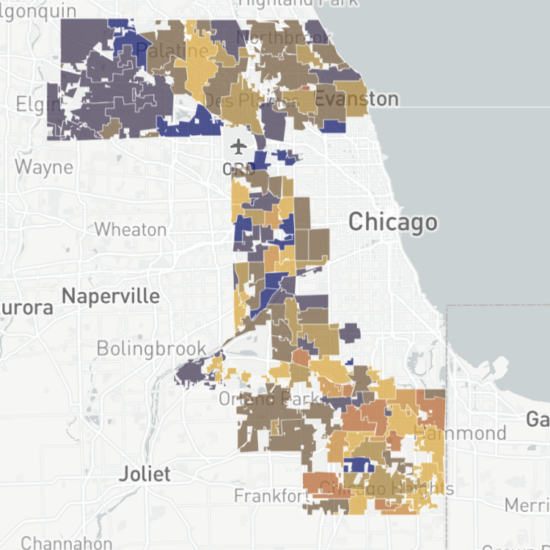
Cook County Health Atlas Heading link
The Cook County Health Atlas is a collaborative, multi-agency project facilitated by the University of Illinois Chicago, the Cook County Department of Public Health and Metopio, supported by funding from The Chicago Community Trust. The Atlas provides community-level data for a range of health challenges and opportunities across the cities and town of Cook County, outside of Chicago.
Healthy Chicago 2025 Heading link